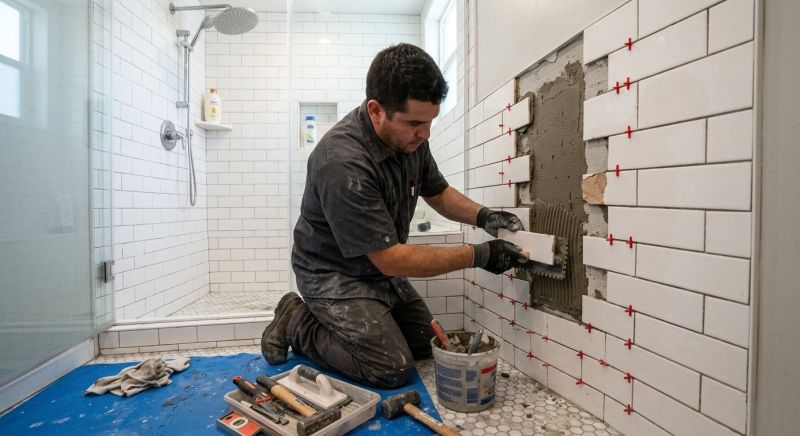
Shower Tile Waterproofing in Denver County, CO
Shower tile waterproofing services involve applying specialized barriers to prevent water from seeping behind bathroom tiles and into underlying structures. This service is essential for maintaining the integrity of shower enclosures, preventing water damage, mold growth, and structural issues over time. Projects typically include waterproofing new shower installations, as well as repairs or upgrades to existing showers that may have experienced leaks or deterioration. Homeowners often want to understand the types of waterproofing materials used, the areas covered, and how the process helps extend the lifespan of their bathroom fixtures and surfaces.
Before requesting shower tile waterproofing, property owners generally seek clarity on the scope of work, including whether the entire shower enclosure or specific areas will be treated. They may also inquire about the durability of the waterproofing materials, compatibility with existing tiles, and any necessary preparation steps. Understanding the process and its benefits can help homeowners make informed decisions to protect their bathrooms from water-related issues and ensure long-lasting, functional shower spaces.
Many property owners in Denver County, CO look into Shower Tile Waterproofing for repairs, replacements, upgrades, and appearance-related improvements.
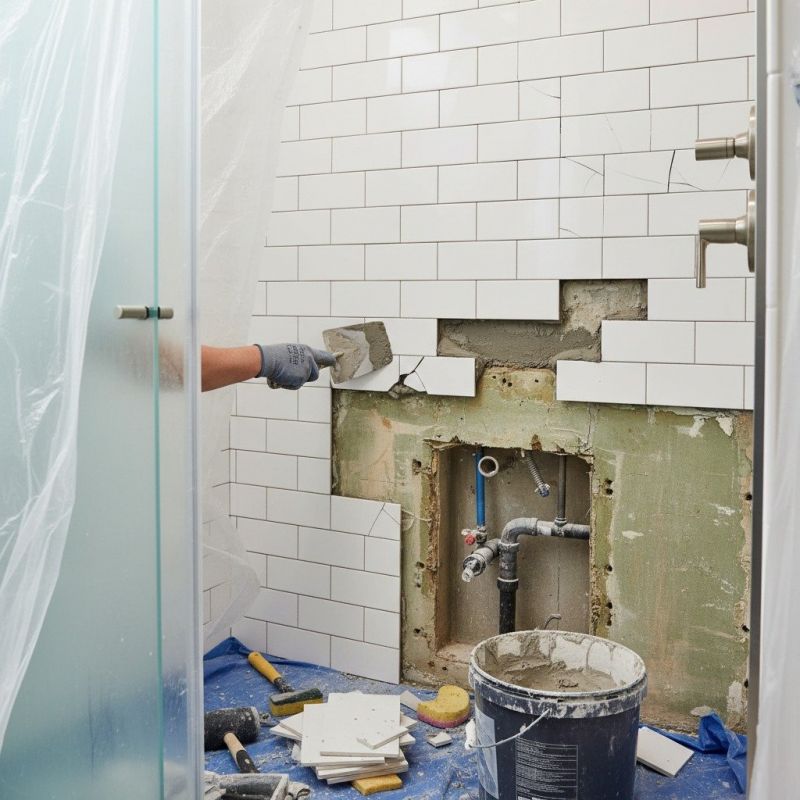
Shower Tile Waterproofing Benefits
Effective waterproofing helps prevent water damage and mold growth in bathroom showers.
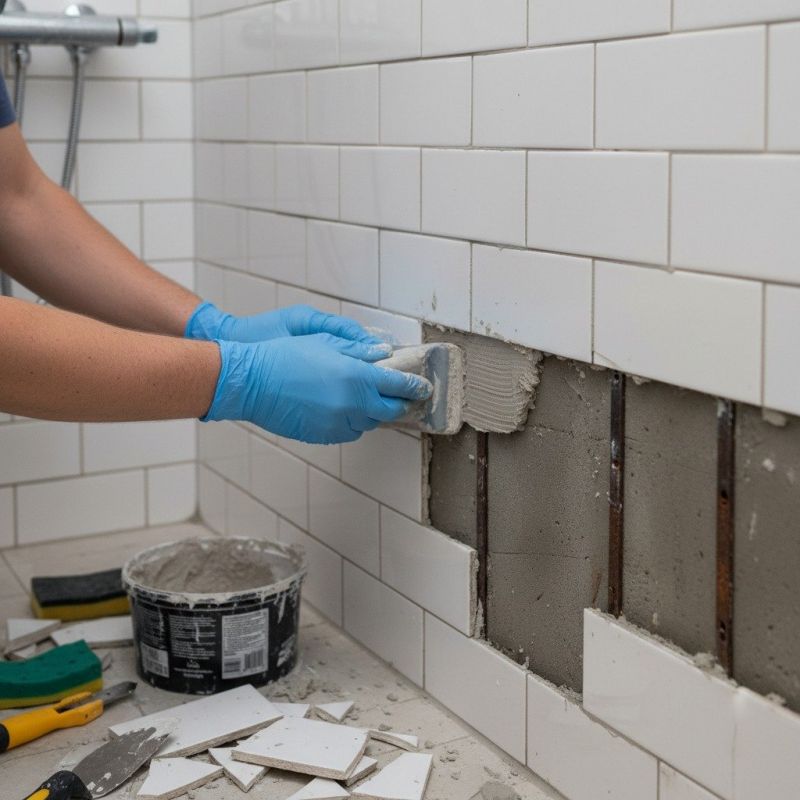
Common Waterproofing Methods
Various techniques like membrane applications and sealants are used to protect shower tiles from moisture.
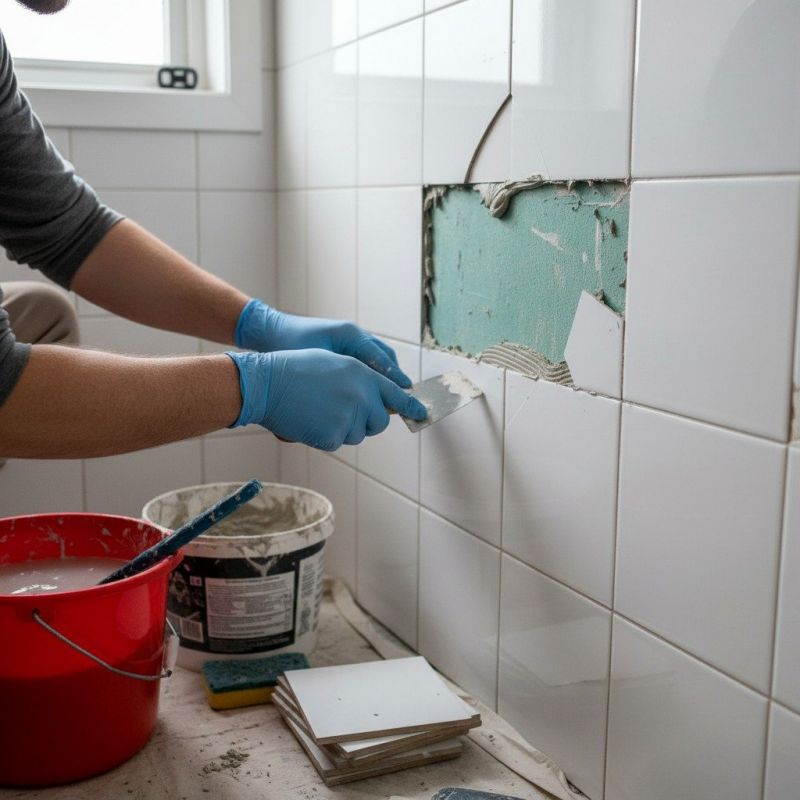
Maintenance Tips For Longevity
Regular inspections and resealing can extend the life of shower tile waterproofing in denver county homes.
Shower Tile Waterproofing in Denver County, CO

Shower tile waterproofing services involve applying specialized barriers to prevent water from seeping behind bathroom tiles and into underlying structures. This service is essential for maintaining the integrity of shower enclosures, preventing water damage, mold growth, and structural issues over time. Projects typically include waterproofing new shower installations, as well as repairs or upgrades to existing showers that may have experienced leaks or deterioration. Homeowners often want to understand the types of waterproofing materials used, the areas covered, and how the process helps extend the lifespan of their bathroom fixtures and surfaces.
Before requesting shower tile waterproofing, property owners generally seek clarity on the scope of work, including whether the entire shower enclosure or specific areas will be treated. They may also inquire about the durability of the waterproofing materials, compatibility with existing tiles, and any necessary preparation steps. Understanding the process and its benefits can help homeowners make informed decisions to protect their bathrooms from water-related issues and ensure long-lasting, functional shower spaces.
Many property owners in Denver County, CO look into Shower Tile Waterproofing for repairs, replacements, upgrades, and appearance-related improvements.
Common Shower Tile Waterproofing Jobs
Shower tile waterproofing - helps prevent water damage behind shower tiles and walls.
Bathroom renovation - ensures waterproofing is properly installed during shower updates.
Tile installation projects - includes waterproofing to protect new tile surfaces from moisture.
Leak repair services - address moisture issues caused by failed or compromised waterproofing.
Moisture barrier installation - provides a protective layer beneath shower tiles to block water penetration.
Shower enclosure upgrades - incorporate waterproofing to extend the lifespan of new shower systems.
Shower Tile Waterproofing Questions
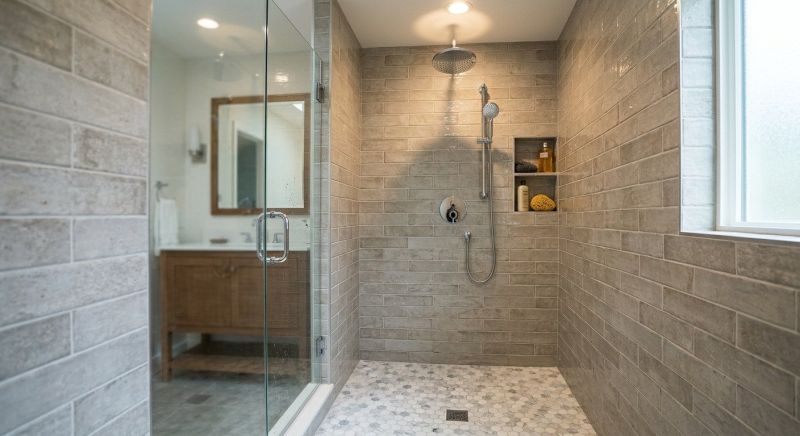
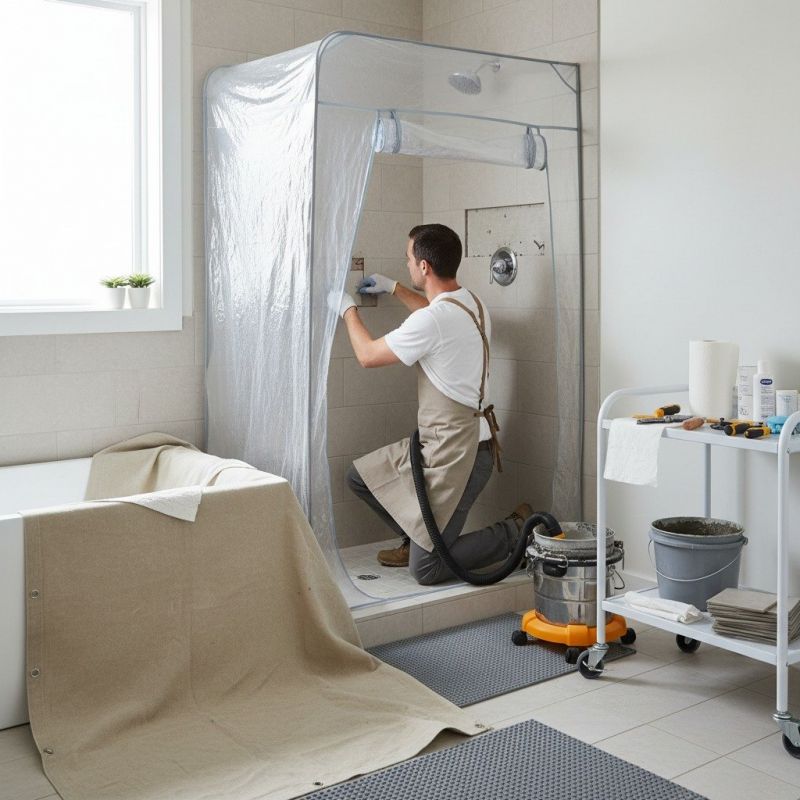
What is shower tile waterproofing? Shower tile waterproofing involves applying a moisture-resistant barrier behind tiles to prevent water from seeping into walls and floors, helping to protect the structure.
Why is waterproofing important in showers? Waterproofing reduces the risk of water damage, mold growth, and tile deterioration, ensuring the longevity of the shower area.
What types of waterproofing materials are used? Common materials include liquid membranes, sheet membranes, and waterproofing paints designed specifically for wet areas like showers.
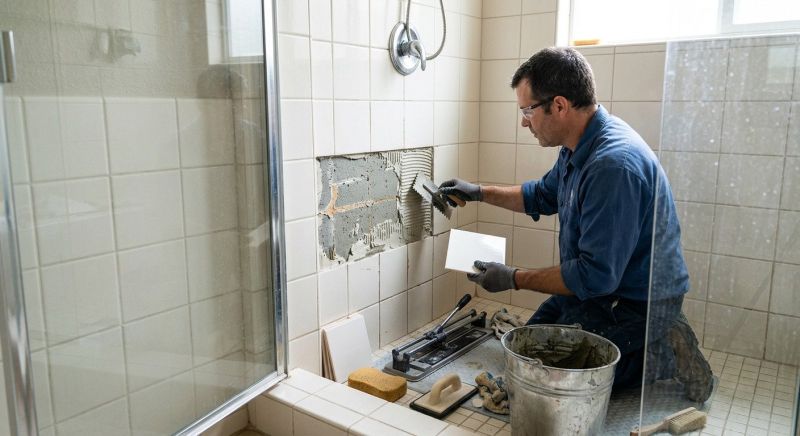
When should waterproofing be installed? Waterproofing is typically installed during the initial shower renovation or when replacing tiles to ensure proper moisture protection.
Request Shower Tile Waterproofing in Denver County, CO
Use the quote form on this page to share the basics of your project and request more information for the type of work you need.