Shower Tile Waterproofing in Longmont, CO
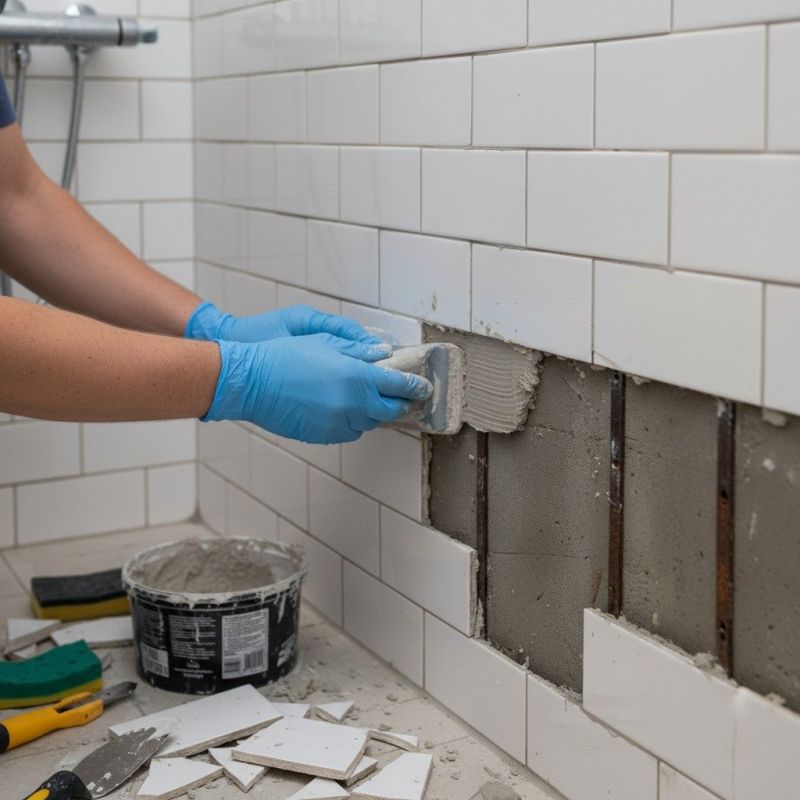
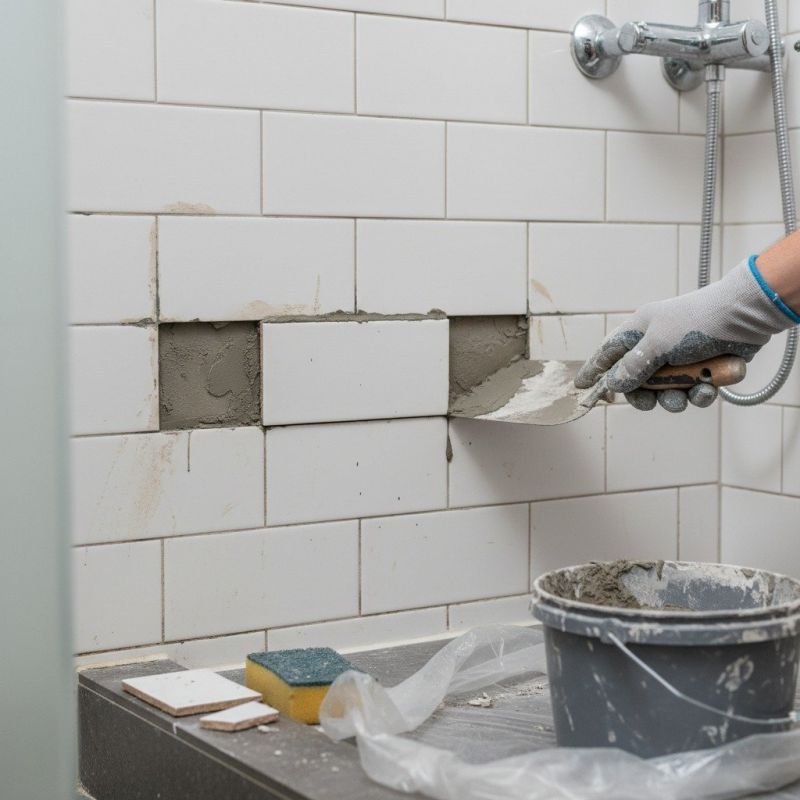
Shower tile waterproofing services involve applying specialized barriers and sealants to protect the shower area from water penetration and moisture damage. This service is essential for ensuring the longevity and durability of tiled shower spaces, preventing issues such as mold growth, tile loosening, and water leaks. Projects typically include new shower installations, renovations, or repairs where existing waterproofing may be compromised. Property owners often want to understand the materials used, the scope of waterproofing coverage, and how the process can help maintain a safe, dry, and healthy bathroom environment.
Before requesting shower tile waterproofing, homeowners should consider the current condition of their shower area, including any signs of water damage or mold. It’s also helpful to know the type of tiles and existing waterproofing systems in place. Clear communication about the project’s goals and any specific concerns can ensure that the waterproofing service addresses all relevant issues effectively. Proper waterproofing not only protects the structure but also contributes to the overall maintenance and value of the property.
Many property owners in Longmont, CO look into Shower Tile Waterproofing for repairs, replacements, upgrades, and appearance-related improvements.
Shower Tile Waterproofing Solutions
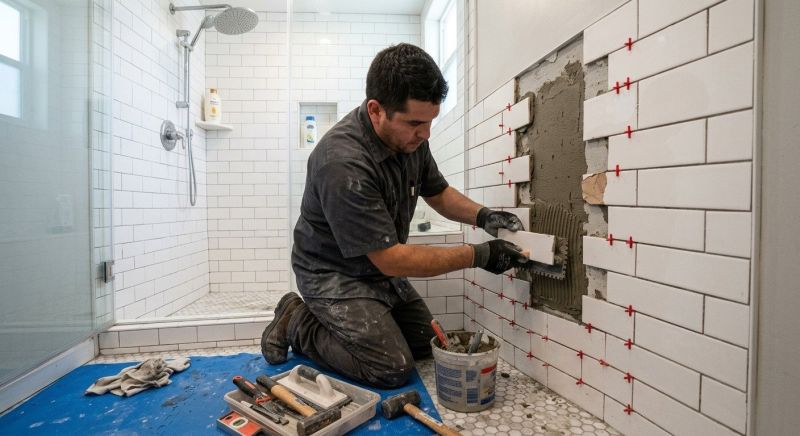
Proper waterproofing helps prevent water damage and mold growth in bathroom showers.
Benefits Of Waterproofing For Shower Tiles
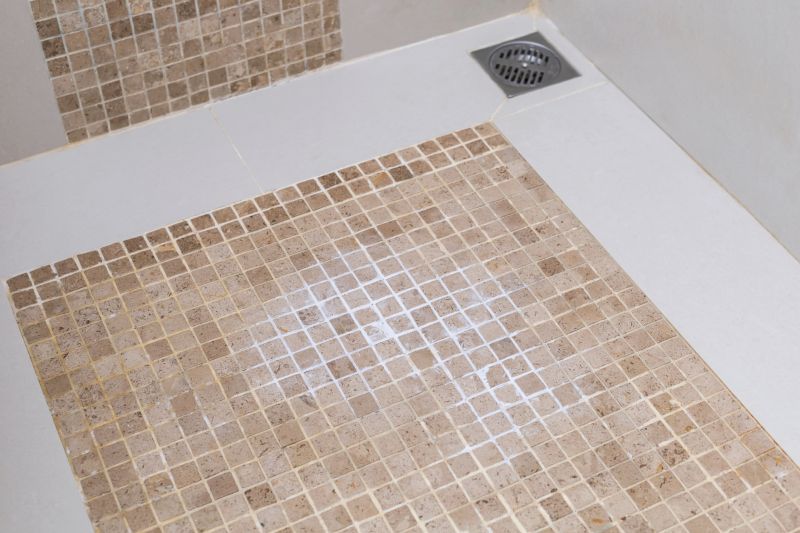
Effective waterproofing extends the lifespan of shower tiles and maintains a clean, dry environment.
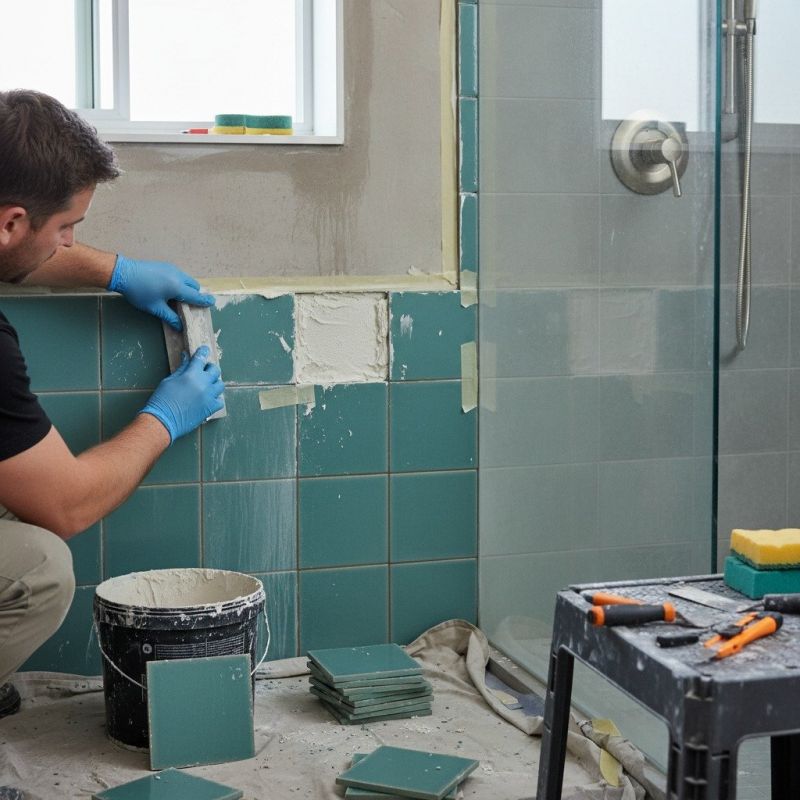
Common Shower Waterproofing Methods
Sealing membranes and waterproof barriers are popular techniques for protecting shower areas in homes around longmont, co.
Shower Tile Waterproofing in Longmont, CO
Shower tile waterproofing services involve applying specialized barriers and sealants to protect the shower area from water penetration and moisture damage. This service is essential for ensuring the longevity and durability of tiled shower spaces, preventing issues such as mold growth, tile loosening, and water leaks. Projects typically include new shower installations, renovations, or repairs where existing waterproofing may be compromised. Property owners often want to understand the materials used, the scope of waterproofing coverage, and how the process can help maintain a safe, dry, and healthy bathroom environment.
Before requesting shower tile waterproofing, homeowners should consider the current condition of their shower area, including any signs of water damage or mold. It’s also helpful to know the type of tiles and existing waterproofing systems in place. Clear communication about the project’s goals and any specific concerns can ensure that the waterproofing service addresses all relevant issues effectively. Proper waterproofing not only protects the structure but also contributes to the overall maintenance and value of the property.
Many property owners in Longmont, CO look into Shower Tile Waterproofing for repairs, replacements, upgrades, and appearance-related improvements.
Common Shower Tile Waterproofing Jobs
Shower tile waterproofing - protects bathroom walls and floors from water damage and mold growth.
Wet area waterproofing - prevents leaks behind tiles in showers, tubs, and wet zones.
Bathroom renovation waterproofing - ensures long-lasting tile installations during remodeling projects.
New tile installation waterproofing - provides a moisture barrier for fresh tile and grout work.
Leak prevention waterproofing - reduces the risk of water infiltration and structural issues.
Crack and grout sealing - helps maintain waterproof integrity in existing shower tiles.
Shower Tile Waterproofing Questions
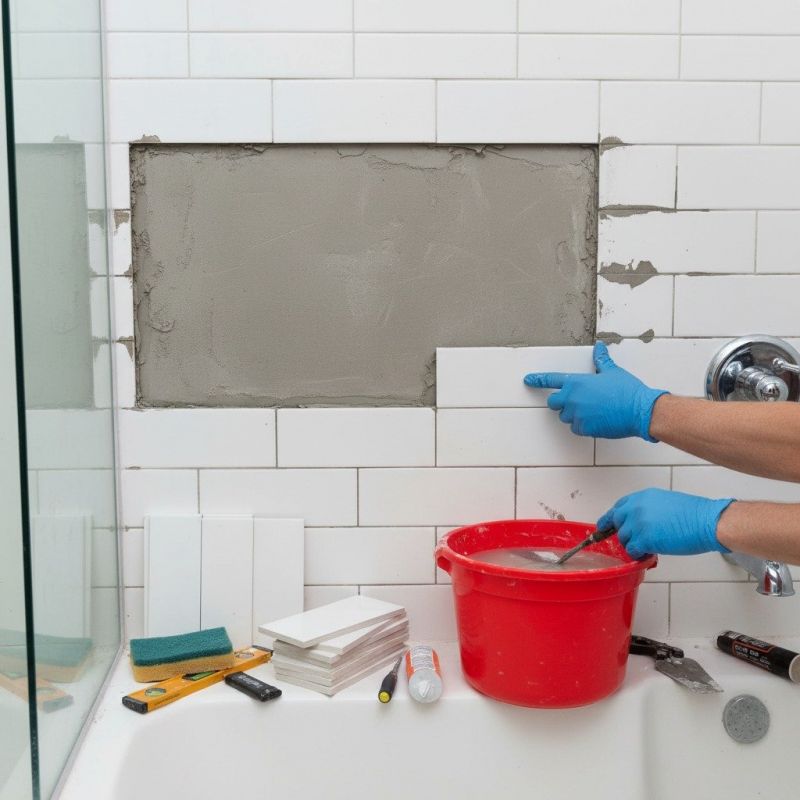
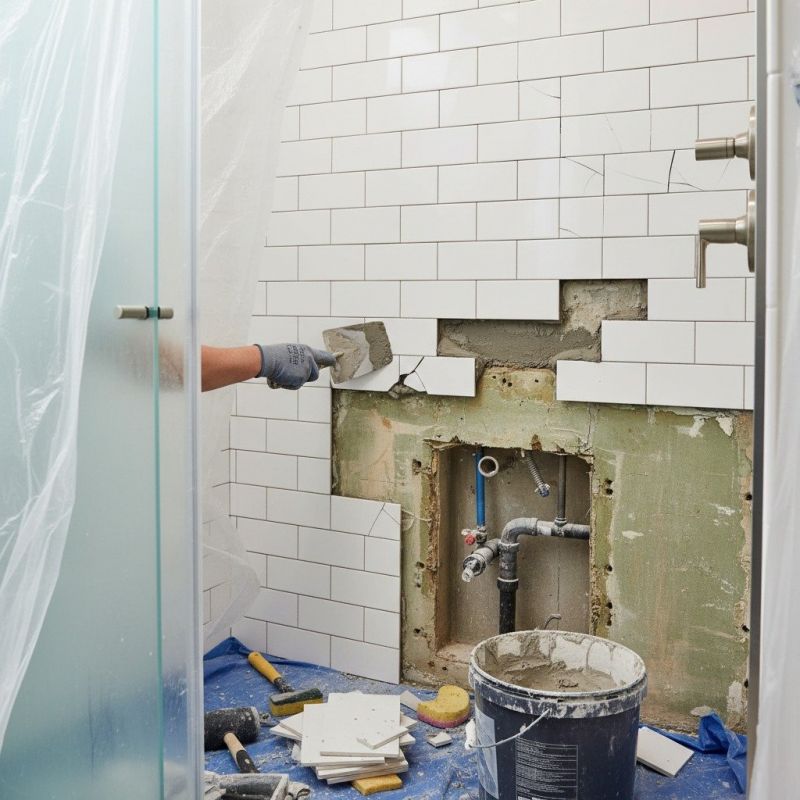
What is shower tile waterproofing? Shower tile waterproofing involves applying a water-resistant barrier behind tiles to prevent water from seeping into walls and floors, helping to protect the structure.
Why is waterproofing important for showers? Waterproofing helps prevent water damage, mold growth, and structural issues caused by moisture infiltration in shower areas.
What types of waterproofing methods are used? Common methods include liquid membrane coatings, waterproof membranes, and cementitious backer boards designed for wet environments.
How often should shower waterproofing be inspected? Regular inspections are recommended to ensure the waterproofing remains intact and effective, especially after renovations or repairs.
Request Shower Tile Waterproofing in Longmont, CO
Use the quote form on this page to share the basics of your project and request more information for the type of work you need.